The All-Day Snacking Habit That's Actually Working Against You
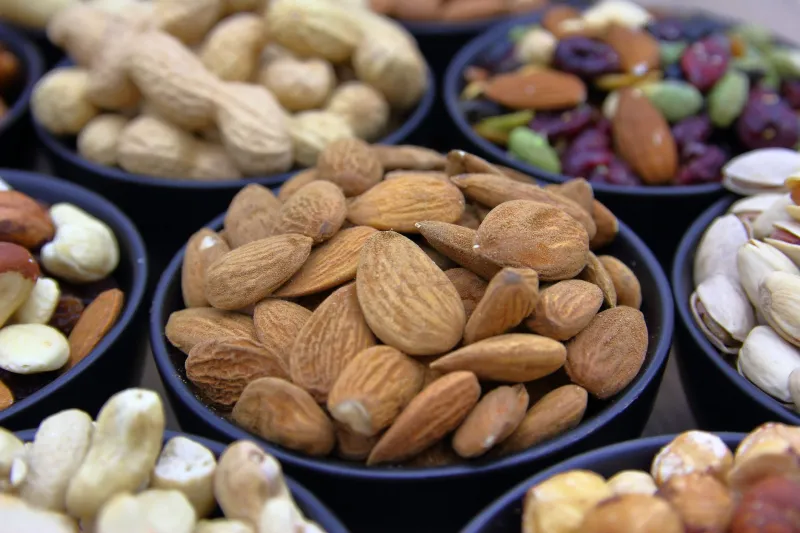
The wellness world spent years telling you to eat every two to three hours to 'keep your metabolism firing.' Snack drawers became a staple of the health-conscious professional's desk setup. Almonds, KIND bars, rice cakes, string cheese — all lined up like a little nutritional first-aid kit for whatever the workday might throw at you.
Here's the uncomfortable truth: for a lot of people, that constant grazing isn't helping. It might actually be part of why you feel mentally sluggish, digestively uncomfortable, and perpetually hungry despite eating all day long.
Your Gut Needs Downtime — Just Like You Do
Most people know their body needs sleep to recover. Fewer people know that their digestive system also requires dedicated rest periods — not just at night, but between meals throughout the day.
There's a physiological process called the migrating motor complex, or MMC, that your gut runs between meals. Think of it as your digestive system's housekeeping cycle. It's a series of rhythmic muscle contractions that sweep undigested debris, bacteria, and waste products through your small intestine and into your large intestine. It's essentially your gut's self-cleaning mode.
The catch: the MMC only activates when you haven't eaten for roughly 90 minutes to two hours. Every time you pop a handful of almonds or take a sip of a protein shake, you interrupt the cycle and reset the clock. If you're snacking every hour or so, your MMC may never complete a full sweep. Over time, that can contribute to bloating, bacterial overgrowth in the small intestine, and a general sense of digestive discomfort that you've probably been blaming on gluten or dairy.
The Metabolism Myth Worth Retiring
The 'eat every few hours to stoke your metabolism' advice was built on a misunderstanding of how metabolic rate actually works. The thermic effect of food — the energy your body burns processing a meal — does exist, but it's proportional to the size of the meal, not the frequency of eating. Eating six small meals produces roughly the same thermic effect as eating three moderate ones, because you're processing the same total amount of food either way.
What constant snacking does do is keep your insulin levels elevated throughout the day. Every time you eat — even something small — your pancreas releases some amount of insulin to manage the incoming glucose. Insulin's job is to shuttle glucose into cells for energy. But insulin also signals your body to store fat rather than burn it. When insulin stays elevated all day because you're eating every hour, your body has limited opportunity to tap into fat stores for fuel.
This doesn't mean snacking will make you gain weight automatically. But it does mean that for people who are trying to maintain steady energy and a healthy metabolism, the all-day grazing approach may be working against them in ways that aren't obvious on the surface.
Why You're Always Hungry Even Though You're Always Eating
This is the paradox that confuses a lot of people: they snack constantly, never feel truly satisfied, and end up eating more total calories than they would if they'd just eaten proper meals and let themselves get genuinely hungry between them.
There are a few reasons this happens. First, small snacks — especially carbohydrate-based ones — trigger insulin release without providing enough protein or fat to generate meaningful satiety signals. You get a brief blood sugar bump, a small insulin response, blood sugar comes back down, and 45 minutes later you feel like you need something again.
Second, habitual snacking rewires your hunger cues. When you eat on a rigid schedule or at the first sign of any hunger pang, you train your brain to interpret mild appetite as urgent hunger. Over time, you lose touch with the difference between 'I could eat something' and 'I actually need fuel right now.' That distinction matters more than most people realize.
Third, a lot of common desk snacks are specifically engineered to be moreish — easy to eat, pleasant tasting, just enough of a reward signal to make you reach for more. Even the 'healthy' versions of these products often follow similar palatability principles.
How to Figure Out Whether You Actually Need That Snack
Not all snacking is bad. There are absolutely situations where a between-meal snack is the right call — you're genuinely active, you have a medical reason to eat frequently, or your meals are spaced so far apart that going without would leave you running on empty. The goal here isn't to eliminate snacking. It's to make it intentional rather than automatic.
Before reaching for a snack, run through a quick internal checklist:
How long ago did you eat your last meal? If it's been less than two hours, what you're feeling is probably not physical hunger. It might be boredom, stress, dehydration, or habit. Drink a glass of water and wait fifteen minutes.
What does your hunger feel like? True physical hunger tends to build gradually and comes with mild stomach sensations. Cravings triggered by stress, boredom, or habit tend to appear suddenly and feel more urgent — often focused on a specific type of food rather than just 'I need to eat something.'
Will this snack bridge a real gap, or create a new one? If dinner is in two hours and you're mildly hungry, a small protein-forward snack might be appropriate. If dinner is in 45 minutes and you're just restless, skipping the snack and letting yourself arrive at dinner with a real appetite is likely the better move.
If You Are Going to Snack, Make It Count
When a snack is genuinely warranted, the composition matters. The worst-case snack scenario is one that spikes blood sugar, keeps insulin elevated, and leaves you hungry again 30 minutes later. The best-case scenario is a snack that provides a protein anchor, some fat, and minimal fast-digesting carbohydrates.
Some options that fit that profile without requiring much prep: a small handful of mixed nuts and a piece of cheese, Greek yogurt with no added sugar, a hard-boiled egg, hummus with sliced vegetables, or a small portion of smoked salmon on cucumber rounds. These won't win any aesthetic awards, but they'll actually do the job.
What to dial back on: rice cakes, most fruit-and-nut bars (check the sugar content — many are closer to candy than nutrition), flavored yogurts, crackers, and anything marketed as 'light' or 'low-fat' that compensates with added sugar.
The Bit Worth Taking With You
Grazing all day isn't inherently a moral failing — it's a habit that developed because someone told you it was healthy, and it stuck. But your digestive system runs better with structure and rest than with constant input. Giving yourself three to four hours between eating occasions — with actual meals that are substantial enough to hold you — may do more for your energy, your gut health, and your afternoon focus than any snack drawer ever could.