Why Your Pretty Lunch Bowl Is Leaving You Starving Before Happy Hour
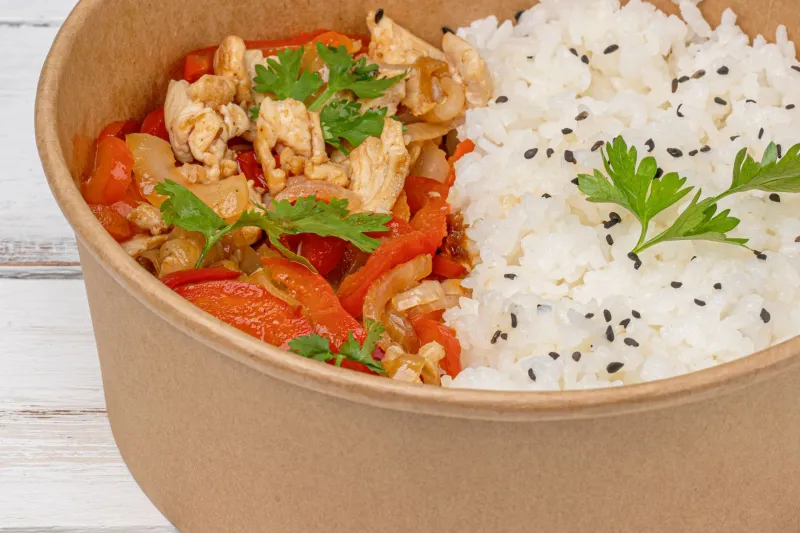
Let's be honest — the grain bowl era is not over. Quinoa base, a handful of roasted veggies, a drizzle of tahini, maybe some pickled onions for flair. It photographs beautifully, it feels virtuous, and your coworkers definitely noticed. But if you're white-knuckling it through a 4:45 PM meeting because your stomach is staging a revolt, that bowl did not actually do its job.
Here at Healthy Blue Bits, we're not here to shame your lunch aesthetic. We're here to help you figure out why it keeps failing you — and what to tweak so your midday meal actually carries you through the afternoon instead of setting you up for a snack spiral.
The Instagram Bowl Problem Nobody Wants to Admit
Trendy lunch bowls tend to be built around visual balance rather than metabolic balance. A stunning spread of grains, greens, and garnishes can look incredibly complete while being quietly short on the macronutrients that actually keep hunger at bay.
The typical build-your-own bowl situation at a fast-casual spot — or assembled from meal-prep containers at your desk — often skews heavy on complex carbohydrates and light on protein and quality fat. That's not inherently bad, but for a meal that needs to sustain you for five or six hours of back-to-back calls and deadline pressure, the ratio matters enormously.
Here's the short version of the science: protein and dietary fat slow gastric emptying, meaning your stomach takes longer to process the meal and your blood sugar rises more gradually. When a lunch is carb-forward — even complex carbs like farro or brown rice — without enough protein or fat to anchor it, blood sugar can spike and then dip in that 3-to-5 PM window, triggering genuine hunger signals and the kind of mental fog that makes afternoon meetings feel unbearable.
What 'Enough Protein' Actually Looks Like at Lunch
Most nutrition guidelines suggest that active adults aim for somewhere between 25 and 40 grams of protein at a meal to meaningfully support satiety. Now look at your typical lunch bowl. A quarter cup of chickpeas? About 4 grams. A sprinkle of hemp seeds? Maybe 3 more. Even a generous scoop of hummus only adds another 5.
None of that is bad — but stacked together, you might be sitting at 12 to 15 grams of protein for a meal you expect to carry you through an entire afternoon. That's closer to a snack's worth of staying power dressed up in a bowl the size of a salad.
If you want your lunch to actually hold you until dinner, shoot for a protein anchor that does real work: grilled chicken breast, canned wild salmon, hard-boiled eggs, edamame, or a solid portion of lentils (not just a tablespoon). Think of your protein source as the structural foundation, not a garnish.
Fiber Quality vs. Fiber Quantity — There's a Difference
Another place grain bowls quietly go wrong is fiber. Yes, leafy greens and raw veggies add fiber, and yes, fiber helps with fullness. But not all fiber behaves the same way in your gut.
Soluble fiber — found in foods like oats, legumes, and avocado — forms a gel-like substance during digestion that slows the absorption of glucose and genuinely prolongs satiety. Insoluble fiber, which dominates in raw leafy greens and most raw vegetables, moves through your system faster and contributes less to that lasting full feeling.
A bowl built mostly on mixed greens, shredded cabbage, and raw cucumber is going to digest relatively quickly, regardless of how voluminous it looks. Incorporating some legumes, a bit of avocado, or even roasted root vegetables shifts the fiber profile toward the kind that actually buys you time.
The Fat Drizzle Isn't Enough
Fat is back — most people know this by now. But the amount of fat in the average lunch bowl is often more decorative than functional. A tablespoon of olive oil in a dressing, a few slices of avocado, a light tahini drizzle — these add flavor and some nutritional value, but they may not be enough to meaningfully slow digestion or trigger satiety hormones like CCK and leptin.
This doesn't mean drowning your lunch in fat. It means being intentional. Half an avocado instead of a few slices. A dressing made with a full tablespoon or two of olive oil or nut butter as a base. A small handful of walnuts or pumpkin seeds scattered on top rather than a pinch. These aren't huge caloric swings, but they shift your meal from 'light on fat' to 'actually satisfying.'
How to Build a Bowl That Actually Works
Here's a simple framework to restructure your lunch bowl without sacrificing the aesthetic (we know the aesthetic matters):
Start with your protein anchor. Aim for 25-35 grams. Grilled chicken thighs, canned salmon, a full cup of cooked lentils, or two to three hard-boiled eggs are solid starting points. This goes in first — it's the foundation, not the afterthought.
Choose a moderate carbohydrate base. Quinoa, farro, roasted sweet potato, or even a smaller portion of brown rice. Keep the portion to about a half cup to a cup, cooked. You want carbs for energy and brain function, but you don't need the bowl to be 70% grain.
Layer in soluble fiber. Add black beans, edamame, roasted chickpeas, or a few slices of avocado. These do double duty — fiber and fat.
Then go wild with your vegetables and garnishes. This is where the color and crunch lives. Pickled onions, roasted peppers, shredded purple cabbage, cucumber, fresh herbs — pile it on. This is the part that makes the bowl photogenic and micronutrient-dense.
Finish with a fat-forward dressing. Not a mist of balsamic. An actual dressing with olive oil, tahini, avocado oil, or nut butter as a base.
The Bottom Line
Your lunch bowl isn't failing you because you're making unhealthy choices. It's failing you because it's been optimized for looks rather than longevity. A small shift in how you layer your macros — more protein, intentional fat, soluble fiber — can be the difference between a meal that carries you confidently through the afternoon and one that has you eyeing the vending machine before the 5 PM news cycle even starts.
Keep the aesthetic. Just make the structure work for you.