The 3 AM Wake-Up Is Your Nightcap Filing Paperwork
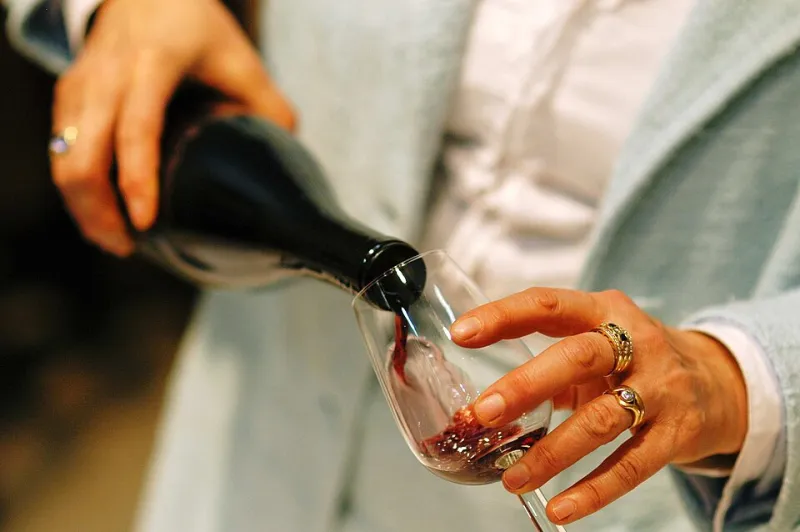
Photo: Fabio Ingrosso, CC BY 2.0, via Wikimedia Commons
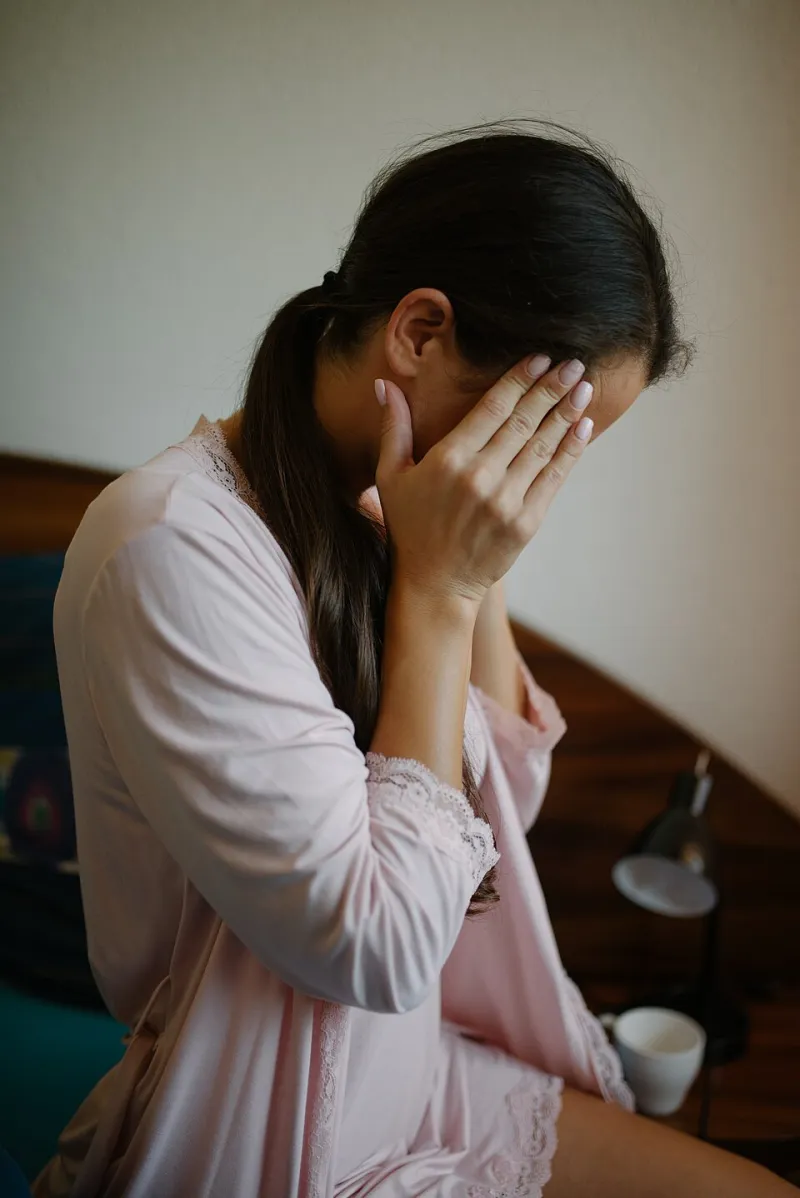
Here's the unpopular part: a nightcap is not a sleep strategy. It's a sedative with a payment plan. The first installment feels great — you get sleepy, you drift off faster, and you tell yourself the glass of red was basically wellness. The second installment arrives around 3 AM, when your brain flips on the lights and starts reviewing your calendar.
Why It Feels Like It Works
Alcohol is a central nervous system depressant. It can shorten sleep latency, which is the fancy term for how long it takes you to fall asleep. That's why the nightcap feels effective. But sedation is not the same as quality sleep. Alcohol also relaxes the muscles in your airway, which can worsen snoring and sleep apnea, and it has a diuretic effect that may send you to the bathroom at exactly the wrong time.
What Happens After Midnight
Sleep architecture is the shape of your night: lighter stages, deep sleep, and REM. Alcohol tends to suppress REM early on, then cause a rebound later. It can also increase fragmentation in the second half of the night as your body metabolizes it. That's why you can sleep seven hours and wake up feeling like you slept in a parked car. Your heart rate may stay elevated, your body temperature regulation gets messy, and your blood sugar can wobble. By mid-morning, you're foggy, thirsty, and hunting for a carb-heavy snack that you would not otherwise want.
The Holiday Season Multiplier
Holiday parties are a perfect storm: more drinks, saltier food, later meals, less water, and more standing around in shoes that hurt. A single glass at home is one thing. A party where you have two drinks, a salty appetizer dinner, and a 10 PM slice of pie is another. The alcohol load is higher, the meal timing is later, and the bedroom is often a hotel room with bad curtains. That is not a moral failure. It is a scheduling problem with a physiological bill.
Rules That Don't Require Sobriety
You do not have to quit drinking to sleep better. You do have to stop pretending timing is irrelevant. A reasonable rule for many busy professionals is last call three hours before lights out. That gives your body some runway to process the alcohol before the second half of the night. If you are drinking, alternate with water, measure your pour instead of free-pouring, and eat a protein-containing meal before the drinks start. Skip the top-off — the half-glass you finish while cleaning the kitchen is the one that shows up at 3 AM. Choose lower-ABV options when you can, and keep the room cool and dark.
Caffeine after noon is a separate loan with a similar collections department. If you are already waking at 3 AM, look at the whole stack: alcohol, late meals, screens, and the 3 PM coffee you forgot about.
Swaps That Don't Feel Like Punishment
A nightcap is often a ritual more than a beverage. Replace the ritual, not just the liquid. Sparkling water with lime and a splash of cranberry feels like a drink. NA beer works if you like beer. Herbal tea with honey is fine if you actually like tea. A small magnesium-free wind-down routine — shower, stretch, ten pages of a book — does more for sleep than a glass of wine pretending to be one. If you are at a party, hold a seltzer between drinks and leave the car keys with someone responsible. Nobody is counting your drinks, and if they are, that's their hobby.
The Morning-After Test
If you wake at 3 AM with a dry mouth and a racing brain, that is data. If you sleep through but wake up foggy and hungry, that is also data. Try a two-week experiment: move your last drink three hours earlier, add water, and keep everything else the same. You do not need to be perfect. You just need to notice the pattern.
A nightcap can be a nice part of a holiday evening. It just should not be the thing you rely on to fall asleep. The 3 AM wake-up is not mysterious. It is the bill arriving.