Your Quick Breakfast Is Lying to You — Here's What to Eat Instead
The Morning Rush Is Real — But Your Breakfast Might Be Making It Worse
Let's be honest. Most of us are not leisurely sipping coffee and plating a balanced meal at 7 a.m. We're grabbing whatever looks nutritious, shoveling it down between emails, and calling it a win. Yogurt parfait? Check. Granola with almond milk? Sure. A breakfast sandwich from the drive-through? Better than nothing, right?
Not always. Here's the uncomfortable truth: a lot of the breakfasts we've been sold as healthy are actually working against us — spiking blood sugar fast, leaving us hungry within two hours, and setting up the kind of afternoon slump that has us raiding the office snack drawer by 3 p.m.
This isn't about eating more or spending more time in the kitchen. It's about understanding what your body actually needs in the morning — and making smarter swaps that take just as long as your current routine.
Why Satiety Is the Metric That Actually Matters
We tend to judge breakfast by calories or how 'clean' the ingredients sound. But the real question is: how long does it keep you full?
Satiety — that feeling of sustained fullness — is driven by three main factors: protein, fiber, and fat. These nutrients slow digestion, stabilize blood glucose, and trigger hormones like GLP-1 and peptide YY that signal your brain to stop looking for food.
Simple carbohydrates, on the other hand, digest quickly. They give you a fast energy hit, but blood sugar rises sharply and then drops — often harder than it rose. That drop is what triggers fatigue, irritability, and intense cravings. Sound familiar?
The problem is that many grab-and-go breakfasts are carbohydrate-heavy with very little protein or fat to balance them out.
The Usual Suspects: Breaking Down Common Quick Breakfasts
Yogurt Parfaits
Yogurt sounds like a protein-packed choice, and it can be — but the parfaits sold at coffee shops and grocery store delis are often loaded with fruit-flavored syrup, sweetened granola, and honey. A single serving can contain 40 to 60 grams of sugar. Even if you're building one at home, flavored yogurt plus granola plus fruit can push your sugar intake sky-high before 8 a.m. The result? A quick energy spike followed by a crash well before lunch.
Granola and Cereal
Granola has a health halo that it doesn't always deserve. Many popular brands contain as much sugar per serving as a candy bar, and the serving sizes are notoriously small. Pair that with milk or a plant-based alternative, and you've got a bowl that's mostly refined carbs with minimal staying power.
Breakfast Sandwiches
This one's trickier. A breakfast sandwich from a fast food chain can actually have decent protein from the egg and meat — but the white bread bun or croissant spikes blood sugar fast, and the sodium content can leave you feeling bloated and sluggish. Not exactly a recipe for a sharp, productive morning.
Smoothies
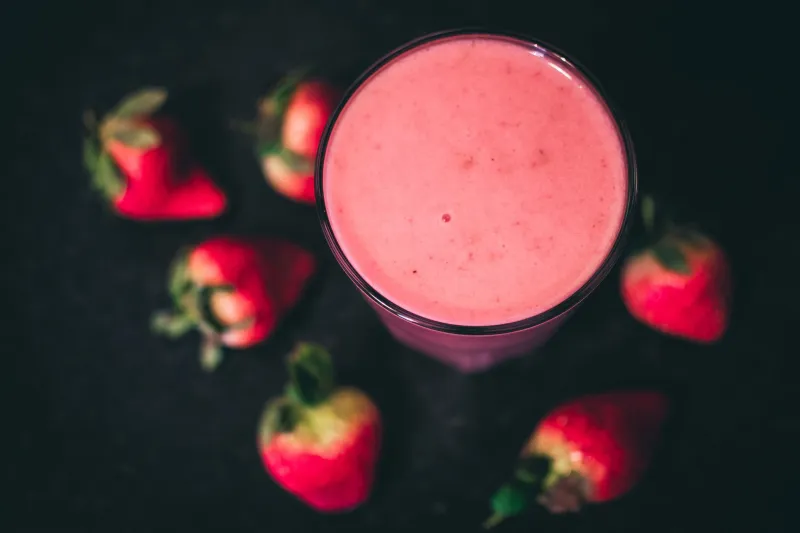
Blended fruit, almond milk, maybe a handful of spinach — smoothies feel virtuous. But without a solid protein source and healthy fat, they're essentially liquid sugar. Your digestive system processes liquids faster than solids, which means you may feel hungry again within 60 to 90 minutes.
What Your Body Is Actually Asking For
Research consistently shows that a breakfast high in protein — somewhere in the range of 20 to 30 grams — leads to significantly better appetite control throughout the day. A 2020 study published in the Journal of Nutrition found that higher-protein breakfasts reduced afternoon snacking and improved satiety scores compared to lower-protein options with the same calorie count.
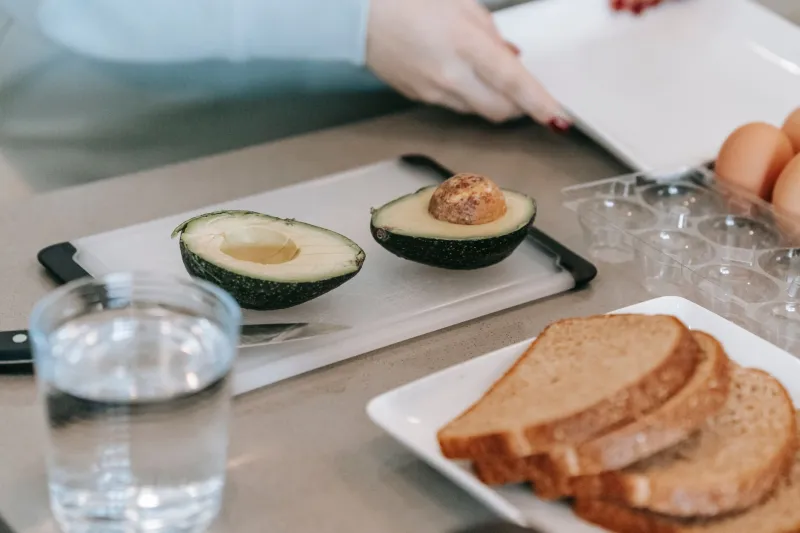
Fiber plays a supporting role here. Soluble fiber slows gastric emptying, which means food stays in your stomach longer and blood sugar rises more gradually. Healthy fat — think avocado, nut butter, or eggs — adds another layer of fullness and helps your body absorb fat-soluble vitamins.
None of this requires a chef or an extra 20 minutes. It just requires a small shift in what you're reaching for.
Swaps That Actually Stick to Your Ribs
Instead of flavored yogurt parfait: Try plain Greek yogurt (at least 15–17g protein per serving) with a small handful of walnuts and fresh berries. You're getting protein, healthy fat, and fiber — without the sugar bomb. Takes the same amount of time to assemble.
Instead of granola and milk: Swap in overnight oats made with rolled oats, chia seeds, and unsweetened almond milk, topped with a scoop of almond butter. Prep it the night before and it's ready to grab. The chia seeds add fiber and omega-3s; the almond butter adds fat and protein.
Instead of a fast food breakfast sandwich: Make a batch of egg muffins on Sunday. Whisk eggs with spinach, cheese, and turkey sausage, pour into a muffin tin, and bake. They keep in the fridge all week. Microwave two in 60 seconds. High protein, portable, and genuinely filling.
Instead of a fruit smoothie: Add a scoop of plain protein powder, a tablespoon of peanut butter, and half an avocado to your blend. You'll double the satiety without adding much time.
The Bottom Line
There's nothing wrong with eating quickly in the morning — life is busy, and no one's expecting a full sit-down meal on a Tuesday. But the goal isn't just to eat something. It's to eat something that actually carries you through your morning without leaving you foggy, hungry, or crashing before noon.
Shifting your focus from 'does this sound healthy?' to 'does this have enough protein, fat, and fiber?' is the single biggest change you can make to your breakfast routine. And the best part? Most of these swaps take exactly as long as what you're already doing.
Your mornings are busy enough. Your breakfast should be working for you, not against you.