You're Drinking Enough Water — So Why Are You Still Exhausted?
You've got the big stainless steel water bottle. You refill it religiously. You've downloaded the hydration reminder app. By every measure, you're doing the water thing right — and yet, by 1 PM, your head feels heavy, your focus is fuzzy, and your energy has quietly evaporated.
Here's something most hydration advice never tells you: drinking a lot of water isn't the same as being well-hydrated. And for a lot of busy people, the gap between those two things is exactly where the fatigue lives.
Hydration Is a Chemistry Problem, Not a Volume Problem
Your body doesn't just need water. It needs water plus dissolved minerals — electrolytes — to actually move that water into your cells where it can do anything useful. The main players are sodium, potassium, magnesium, and chloride. Together, they regulate fluid balance, support nerve signaling, power muscle contractions, and keep your brain running at full capacity.
When you drink a lot of plain water without enough electrolytes, you can actually dilute the concentration of minerals in your bloodstream. Your kidneys, sensing an imbalance, respond by flushing the excess water out. The result? You're drinking constantly, urinating frequently, and still feeling thirsty and tired — because your cells aren't actually getting hydrated. They're just watching the water pass through.
This isn't a rare condition. It's a surprisingly common pattern among health-conscious people who prioritize water intake but don't think much about what's accompanying it.
The Signs Your Electrolytes Are Off
You don't have to be a marathon runner or sweating through a summer workout to run low on electrolytes. Everyday factors quietly deplete them: a morning coffee (caffeine is a diuretic), a stressful week at work (cortisol affects sodium balance), a diet that leans heavily on processed foods — or, counterintuitively, one that's very clean and low in sodium.
Some signs worth paying attention to:
- Persistent thirst even after drinking water
- Low-grade headaches that start in the afternoon
- Muscle cramps, especially in the legs or feet
- Fatigue that feels different from sleepiness — more like a heavy, foggy drag
- Brain fog that doesn't lift even after a good night's sleep
- Feeling lightheaded when standing up quickly
None of these are definitive on their own, but if several of them sound familiar, your hydration strategy might need a mineral upgrade more than a volume increase.
Why the "Eight Glasses" Rule Is Missing the Point
The eight-glasses-a-day guideline has been repeated so often it feels like law, but it was never based on rigorous science — and it says nothing about electrolytes. Your actual fluid needs depend on your size, activity level, climate, diet, and how much you sweat. Someone sitting in an air-conditioned office in Minneapolis in January needs very different hydration than someone doing physical work outdoors in Phoenix in August.
More importantly, the quality of hydration — meaning whether your body can actually absorb and use the water — matters far more than hitting a specific number. Two glasses of water consumed with a mineral-rich meal may hydrate you more effectively than six glasses drunk alone throughout the morning.
Real Food Sources That Actually Help
You don't need neon sports drinks or expensive electrolyte packets to fix this. Whole foods are genuinely excellent electrolyte sources, and most of them are easy to work into a busy eating routine.
Sodium: A common misconception is that eating low-sodium is always better. For active people or those who sweat a lot, some sodium is essential for fluid retention. A pinch of sea salt in your morning water, olives as a snack, or salted nuts can make a real difference.
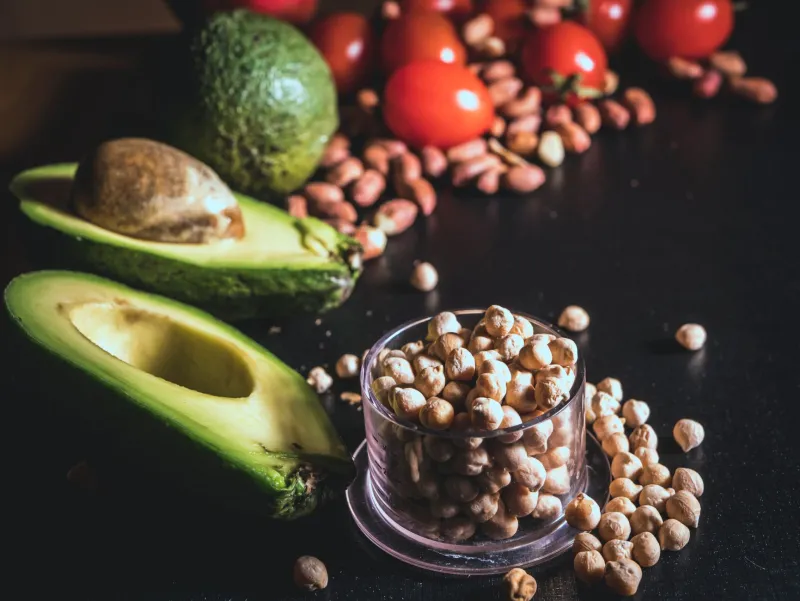
Potassium: Bananas get all the credit, but avocados, sweet potatoes, white beans, and spinach are actually higher in potassium. Adding half an avocado to lunch or a handful of spinach to a morning smoothie is an easy win.
Magnesium: This one is chronically low in the average American diet. Pumpkin seeds, dark chocolate (yes, really), almonds, and black beans are solid sources. Magnesium also supports sleep quality and stress response, so it's doing double duty.
Chloride: You get this alongside sodium in most salty foods, so if you're getting adequate sodium, chloride usually follows.
Smarter Beverage Timing for Better Absorption
When you drink matters, too. Drinking large amounts of plain water right before or during meals can dilute digestive enzymes and reduce mineral absorption from your food — which is counterproductive if you're trying to boost electrolyte intake.
A more effective approach:
- Start your morning with mineral-rich water — coconut water, water with a pinch of sea salt and a squeeze of lemon, or even just water alongside a mineral-rich breakfast.
- Sip consistently rather than chugging — smaller amounts absorbed gradually keep electrolyte concentrations more stable than large gulps at irregular intervals.
- Pair your afternoon water with a food source — a few nuts, a small piece of fruit, or a light salty snack helps your body hold onto the fluid instead of flushing it.
- After sweating (even from stress), replenish with something beyond plain water — a small handful of salted almonds and a glass of water does more than water alone.
What About Electrolyte Supplements?
They can help in certain situations — particularly for people who exercise intensely, work in hot environments, or follow very low-carb diets that naturally deplete electrolytes. But for the average busy professional dealing with general fatigue and persistent thirst, whole food sources are usually sufficient and more sustainable.
If you do reach for a supplement, look for one without added sugar and with a reasonable sodium-to-potassium ratio. Many popular options are more sugar water than electrolyte solution.
The Bite-Sized Takeaway
Hydration isn't just about volume — it's about balance. If you're drinking plenty of water and still dragging through your afternoons, give your body the minerals it needs to actually use what you're giving it. A pinch of salt, a handful of nuts, a piece of fruit alongside your next glass of water — small additions that make your hydration strategy work the way it's supposed to.