Your Crisper Drawer Is a Graveyard — The Freezer Aisle Is Quietly Winning
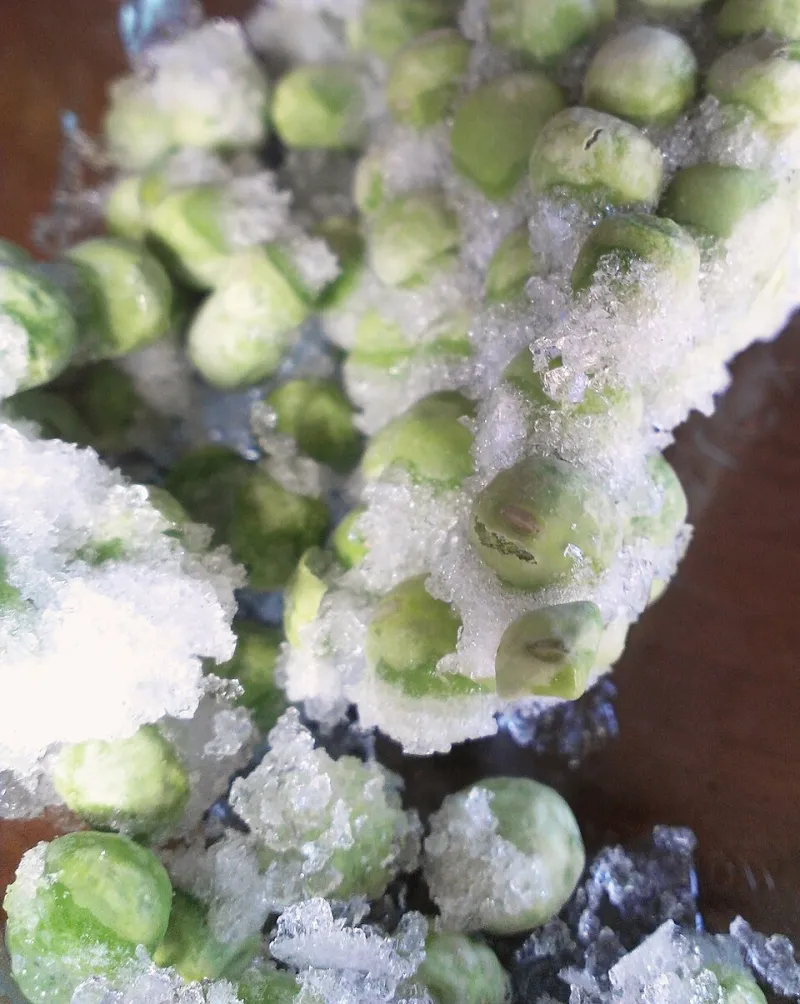
Photo: User:Ragesoss, CC BY-SA 3.0, via Wikimedia Commons
The frozen peas are not the sad option. They are the quietly competent option. This is the week to admit that the farmers market tomatoes are eight dollars a pound, the spinach is already slimy, and the bag of frozen broccoli in the back of the freezer has been waiting for its moment. That moment is Tuesday at 6:40 PM.
Fresh Doesn't Mean Fresher
Fresh produce is often harvested before peak ripeness so it can survive shipping. Then it spends days in trucks, warehouses, and store displays, respiring and losing moisture. Vitamin C and some B vitamins are sensitive to heat, light, and oxygen, so the longer the gap between harvest and plate, the more nutrient loss you can get. Frozen produce is usually picked at peak ripeness and flash-frozen within hours. The blanching step before freezing does cause some nutrient loss, but it also stops enzymes that would otherwise degrade quality. The net result is often a wash — and sometimes a win for frozen, especially for out-of-season items that traveled a long way to reach your crisper drawer.
The Math: Nutrients, Dollars, and Waste
Fiber and minerals are fairly stable through freezing. Water-soluble vitamins like C and folate are the ones to watch, but fresh produce sitting in your fridge for a week is not doing you favors either. Then there's the money. Frozen vegetables and fruit are often cheaper per usable serving because you are not paying for stems, spoilage, or the handful of blueberries that turned to mush. You also waste less. A US household throwing out wilted greens is not a personal failing; it is a predictable outcome of buying fresh produce for a version of yourself who cooks every night.
Frozen food is not automatically healthier. Frozen pizzas, breaded nuggets, and ice cream live in the same aisle. The win is for plain frozen produce, fish, and building blocks — not the entire freezer section.
What Freezes Well — and What Doesn't
Berries, mango, pineapple, peas, corn, edamame, broccoli, cauliflower, spinach, kale, and butternut squash all freeze well. Frozen riced cauliflower is a genuinely useful weeknight shortcut. Frozen fish fillets are excellent if they are plain and not glazed in mystery sauce. Herbs freeze well as cubes in olive oil or water, though they will not have the same texture as fresh.
Cucumbers, lettuce, delicate herbs, and most salad greens do not freeze well for raw use. Potatoes can get mealy, though frozen diced potatoes work fine for roasting or soups. Tomatoes freeze okay for sauces, not for slicing. The rule is simple: freeze for cooking, not for pretending it is fresh.
Building a Weeknight Plate From the Freezer Aisle
Start with a frozen base: broccoli, edamame, peas, or a stir-fry mix. Add a protein — frozen shrimp, salmon, chicken thighs, or tofu. Add a quick starch — rice, tortillas, or frozen potatoes. Then finish with something fresh and loud: lime, scallions, cilantro, chili crisp, or a handful of nuts. That formula gets you a plate in under twenty minutes without a sad desk lunch vibe.
Try frozen spinach stirred into eggs with feta. Throw frozen berries into yogurt with oats. Roast frozen broccoli at high heat with olive oil and garlic until the edges char. Use frozen edamame as a snack with flaky salt. None of this is compromise food. It is logistics.
The Crisper Drawer Rule
Buy fresh produce for the next three days, not for the person you wish you were. Keep the freezer stocked with the backup plan. If the farmers market is great this week, buy the tomatoes and eat them. If it is dark at 4:45 PM and you are tired, the freezer is allowed to carry dinner. That is not giving up. That is running a household.