That Salad Didn't Give You a Free Pass — Here's Why You're Raiding the Vending Machine by 3 PM

Photo by Photo by charlesdeluvio on Unsplash on Unsplash
You Made a 'Good' Choice. Your Brain Noticed.
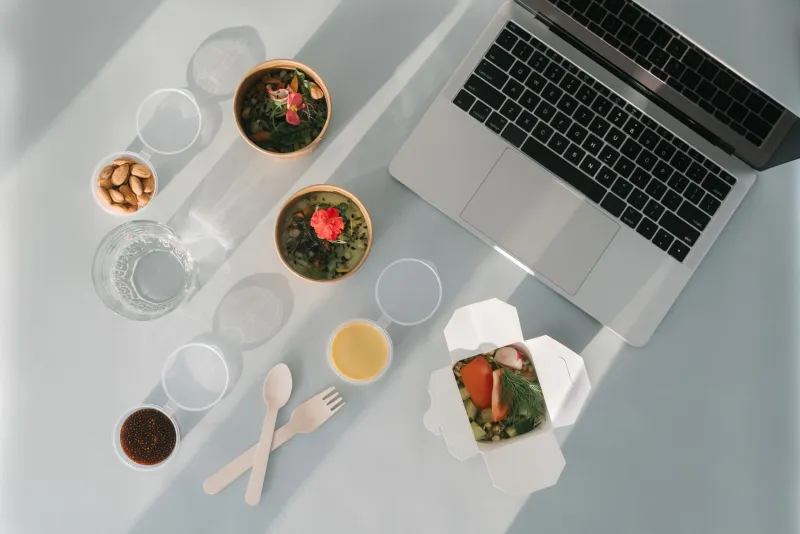
It happens to pretty much everyone. You skip the burger, order the salad, maybe even pass on the dressing. You feel virtuous. Accomplished, even. And then, somewhere around 2:45 PM, you're standing in front of the office snack cabinet telling yourself that a couple of chocolate-covered almonds won't hurt — you did eat healthy at lunch, after all.
That little mental negotiation has a name: moral licensing. It's a well-documented psychological phenomenon where doing something "good" gives your brain permission to offset it with something "bad." Researchers at the University of Tilburg found that people who were told they'd made a virtuous choice were significantly more likely to reward themselves with indulgent behavior shortly after. Your brain essentially keeps a running tab — and once it thinks you're in the green, it starts spending.
The problem? That salad you're banking on might not have been the nutritional slam dunk you thought it was.
The Halo Around Your Lunch Is Blinding You
Here's the bit that stings a little: "healthy" is doing a lot of heavy lifting in your head, and food marketing knows it. A grilled chicken salad from a fast-casual chain can clock in at 800+ calories once you factor in candied walnuts, croutons, creamy dressing, and dried cranberries. Meanwhile, your brain has filed it under "light and responsible" simply because it arrived in a bowl with some greens.
This is the healthy halo effect in action — our tendency to underestimate the calorie and fat content of foods we've mentally labeled as good. Studies published in the Journal of Consumer Research have shown that people consistently eat more overall when they choose a "healthy" entrée compared to an indulgent one, because they feel they've earned extra room.
So the afternoon snack spiral isn't a willpower failure. It's a predictable response to a psychological cue your brain is generating on its own.
Why You're Actually Hungry (Not Just Bored)
Beyond the mental math, there's a real physiological story happening too. Many "healthy" lunches — especially the ones busy professionals grab quickly — are light on protein and healthy fat, and heavy on refined carbs or low-calorie fillers. A salad built mostly on lettuce, a few cherry tomatoes, and a drizzle of balsamic? That's going to spike your blood sugar mildly and then drop it fast, leaving you genuinely hungry well before your afternoon meeting wraps up.
When blood sugar dips, your body sends hunger signals that feel urgent — and your already-taxed decision-making brain reaches for whatever's fast and satisfying. That's almost never another salad.
The combo of moral licensing and a blood sugar dip creates the perfect conditions for an afternoon snack spiral that can easily add 300 to 500 calories to your day — most of them coming from ultra-processed foods.
How to Actually Break the Cycle
The goal isn't to stop eating salads. It's to stop letting one good choice become a justification for a string of less-considered ones. Here's what actually works:
Build Lunches That Keep You Full, Not Just Proud
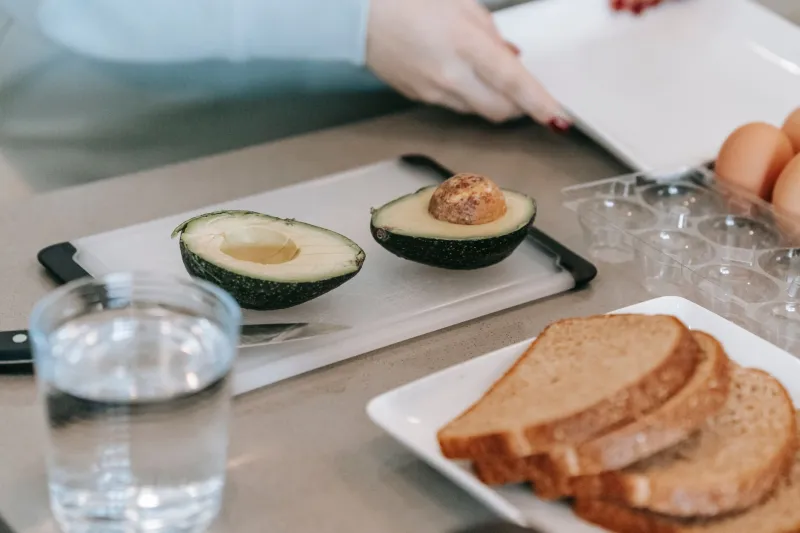
Aim for a lunch that includes at least 25–30 grams of protein, a source of fiber, and some healthy fat. A salad can absolutely hit all of these — think grilled salmon or chickpeas, avocado, and a handful of quinoa. When your lunch is genuinely satiating, the afternoon hunger signal doesn't show up nearly as loud.
Name the Mental Trap Out Loud
This sounds almost too simple, but it works. When you catch yourself thinking I already ate well today, so... — pause and name it. Recognizing the moral licensing loop in real time interrupts it. You don't have to resist the snack necessarily; you just want to make the choice consciously rather than on autopilot.
Pre-Plan Your Afternoon Snack Before Lunch
One of the most underrated strategies for busy professionals: decide what your afternoon snack will be before you're hungry. Pack it, set it on your desk, or put it in your work bag. When you've already made the decision, you're not negotiating with a depleted brain at 3 PM. A small apple with almond butter, a hard-boiled egg, or a handful of mixed nuts all provide enough protein and fat to bridge the gap to dinner without triggering a binge.
Ditch the Virtue Scoreboard
The deeper fix is shifting how you think about food choices altogether. No single meal earns you a reward or demands a punishment. Eating well at lunch doesn't mean you "deserve" junk food, and eating junk food at lunch doesn't mean the rest of the day is a wash. When you stop treating food like a moral report card, the compensatory urge starts to quiet down significantly.
Watch the Clock on Lunch
Timing matters more than most people realize. Eating lunch too early — say, before noon — means your body is running on fumes well before the workday ends. If your schedule allows, pushing lunch to 12:30 or 1 PM and pairing it with a small, intentional snack around 3:30 PM creates a steadier energy curve that doesn't leave you white-knuckling it past the vending machine.
The Bite-Sized Takeaway
Your afternoon snack habit probably isn't about hunger or lack of discipline — it's about a psychological loop that gets triggered the moment you decide you've "done well" at lunch. By building more satisfying meals, pre-planning your snacks, and catching the mental licensing trick before it runs the show, you can keep your energy steady and your nutrition choices intentional all the way through to dinner. One good choice doesn't have to cost you three bad ones.